WEATHERING THE STORM Despite pandemic, commercial real estate remains largely unscathed — for now

August 27, 2026

By Ben van der Meer  –  Staff Writer, Sacramento Business Journal


By now, the vultures of commercial real estate should've been getting full. In a metaphorical sense, that is.


With the economy driven into the ground more than a year ago by government measures to curb the Covid-19 pandemic, the resulting hit on rents and ultimately defaulted loans would typically lead to defaults, foreclosures, short sales and other mechanisms benefiting those who like bargain buys.


This time, though, that didn't happen.


Ethan Conrad, who arguably made his name scooping up distressed local properties during the Great Recession, said he expected a new crop of potential buys this time. But, he said, those deals never emerged.


Investors like Conrad, commercial real estate brokers and bank officers all cited a number of reasons why distressed properties didn't pop up like hand sanitizer stations did after the coronavirus rolled in. They include federal guidance, a flood of money to keep operators solvent and even the possibility that the pain is yet to come for many properties as vaccinations rise and government intervention falls.


Enlarge


Ethan Conrad, who scooped up distressed local properties during the Great Recession, said a similar crop of deals never emerged during the pandemic.


DENNIS MCCOY | SACRAMENTO BUSINESS JOURNAL


'This is not a collapse, this is a shutdown'


Over a decade ago, commercial broker Tony Wood of KW Commercial in Sacramento wrote a book on what he termed a pending "tsunami of foreclosures." Many commercial properties had overinflated values; when the market started to turn in the late 2000s, their loans soured.


A year ago, Wood said, he thought he'd be writing a sequel.


"There was a very high level of expectation," he said. "I'd get calls from people saying, 'I'm looking for a Covid deal.'"


But in those first few weeks of the pandemic, other forces were also at work. Public health officials encouraged the closure of places like courthouses where the virus might easily spread; that also effectively froze the foreclosure process.


At the federal level, regulators encouraged a moratorium on foreclosures and residential evictions. In California, a moratorium on commercial tenant evictions was also enacted.


And beginning last spring with the first Covid relief bill, money began to gush into the otherwise vapor-locked economy: hundreds of dollars in stimulus for taxpayers, Paycheck Protection Program money for business owners and months of suspended payments to the Small Business Administration.


RECOMMENDED


HEALTH CARE

Owner of local hospice and home care agencies pleads guilty in Medicare fraud case


COMMERCIAL REAL ESTATE

Allison Otto named next CEO for Otto Construction


RESIDENTIAL REAL ESTATE

Local developers embrace strategy of building single-family homes to rent


"That's a huge amount of the marketplace," Wood said of the SBA loans. "Combine that with the PPP program, and that was enough to help you pay the rent and mortgage."


Those actions were bold compared to what happened leading up to the Great Recession, when the Federal Deposit Insurance Corp. didn't recognize how out of alignment properties were to their values. When the asset values dropped, Wood said, the FDIC actually told banks to foreclose to keep their balance sheets intact.


The other major difference was what caused the economic downturn to begin with. Measures to stop Covid-19 didn't generate from within the economy itself, said Sanjay Varshney, principal at Goldenstone Wealth Management LLC and a finance professor at California State University Sacramento.


"This is not a collapse, this a shutdown caused by the government," he said. "Just when you look at how much money is on the table to prevent the collapse of the system, it's unprecedented."


Enlarge


Sanjay Varshney is a principal at Goldenstone Wealth Management and a finance professor at California State University Sacramento.


DENNIS MCCOY | SACRAMENTO BUSINESS JOURNAL


Pressure points


While the Great Recession tended to hurt commercial properties of all types, Covid-19 has been most strongly felt in three sectors: retail, office and hospitality.


Wood said federal stimulus money, funneled through the state, ended up helping hotel owners with programs such as Project Roomkey, which paid hotels to house people experiencing homelessness during the pandemic. The success of this program led to Project Homekey, a $600 million program that enabled public entities, including cities and counties, to purchase and rehabilitate hotels and motels and convert them into housing.


Still, with business travel not expected to recover for some time, hotels may face a long road back.


For office properties, the trajectory may take longer to determine. Wood and other brokers said even if tenants have sent their employees to work from home, for the most part they're still paying on their current leases. As those leases run out, though, those tenants' needs, and overall footprints, might very well change.


Still, there are properties that have made it on Bloomberg's watchlist for potential defaults. The largest local office property is Capital Centers II and III, a campus-sized office complex of more than 530,000 square feet in Rancho Cordova.


According to a watchlist report from March, the property's debt-service coverage ratio fell into an area of concern about a year ago, and dropped further later in 2020.


But property broker Todd Eschelman, an executive managing director with Newmark in Sacramento, said such reports need extra scrutiny.

In the case of Capital Centers II and III, the watchlist report mentions pending potential vacancies. But tenants have either renewed or signed new leases for that potentially vacant space, he said, making the report out of date.


Enlarge


While Capital Centers II and III, an office complex in Rancho Cordova, appear on a list for potential defaults, its currently occupancy is in the 80s percent.


DENNIS MCCOY | SACRAMENTO BUSINESS JOURNAL


"It's high 80s (percent) occupancy as we speak," said Eschelman, who represents the center's owners in leasing. "From my perspective, I know a lot of worse properties I would tag as concerning. The question is because there's some rollover, but the discussions are going very well."


In the Sacramento metropolitan statistical area, there were 122 properties on Bloomberg's default watchlist in the first quarter of this year. Of those, 74, or 34.8%, were limited-service hospitality properties, and two more were full-service hotels. There were 11 office properties, including Capital Centers, and eight retail properties.


The remaining properties were multifamily, but of the largest loans in that category, two were senior housing, a sector hit particularly hard by Covid-19.


Retail properties might see the most trouble in the near future. Those properties were hit on one side by closures as a result of local health orders and on the other by a dramatic rise in online shopping that reduces the demand for a physical store.


Wood, of KW Commercial, said he also believes restaurants with larger indoor space may face trouble. Properties with outdoor patio service, or even a drive-thru have become more popular with investors, he added.


A wave of distress


At the moment, River City Bank has about 400 commercial loans in California, totaling about $2 billion and covering what CEO Steve Fleming calls all the normal food groups.


Of those 400, not a single one is in default, he said. And only a handful worked out new terms when the pandemic began, he said; that number went to nearly zero as federal money flowed in and kept many owners afloat.


"I would add, I'm not sure the final chapter has been written," he said. In addition to the state and federal money faucet eventually running dry in upcoming months, office buildings might start to feel more pressure as leases expire in the next year or two and companies shrink their space or leave entirely, Fleming said.


Wood, too, said he expects a new wave of distressed properties to emerge in the next few years, though still not as many as might have been expected a year ago. In addition to the other factors, he said, moratoriums on both foreclosures and evictions will end.

That wave of distress, though delayed, should show up in the next two to three years, he said. But with most economic experts expecting the economy will rebound strongly in that same period, the overall effect of a troubled office property here or empty-anchor strip mall there is likely to be muted.


"It won't look like a huge wave of debt, trillions of dollars, coming due," he said.
August 27, 2026
The Covid-19 pandemic pushed millions of people to work from home, and the future of the office will never look the same, according to Accenture PLC’s North American CEO Jimmy Etheredge . In an interview with The Playbook, Etheredge said executives he talked to were stunned by how productive remote workers ended up being during the pandemic, clearing away a lot of preconceived misconceptions about how productive workers can be from home. But now that some executives want workers back in the office, they are encountering problems. We have detailed some of those return-to-office struggles here. “It's been a little bit of a challenge to get people back to the office. You’ve got to earn the commute,” Etheredge said. “They are trying to create (fear of missing out) with the office. That could be accessibility to executives and beyond the normal perks like coffee and snacks.”  He said the future is what Accenture, an Ireland-based professional services company with nearly 700,000 employees across the globe and around 65,000 in the United States, has called an “omni-connected” experience in which some people will work remotely, some will work in the office and some will be switching between the two, and companies need to adapt to ensure their own experience caters to all those groups. He said company executives that still believe workers need to come in at 8 a.m and work until 5 or 6 p.m. come off as paranoid In this new world. “But everyone is going to be in this environment where some people are going to be working remotely, some people are going to be in the office and someone is going to be in a different location and you want to create positive experiences no matter where people will be on that day,” Etheredge said. “I think what they’ve recognized is that remote work is here to stay and, 'How do I create the culture, the stickiness and the things that make people feel engaged?” One way to get workers back to the office is to set times and days to offer face time with executives, such as open hours on Fridays for coffee. That allows them to connect and to be seen by company leaders. “They want to feel like the leaders that they work for care about their physical heath, their mental health, their financial health,” Etheredge said. “They want to feel a sense of belonging. And with that belonging, connection.” But companies might also want to build in flexibility during the workday. Are there ways for people to come in to the office later than the traditional commute times? Can companies add in spaces to the office that can help with stress? Etheredge suggested a “stretch lab” where employees can physically move and not sit all day. You also don’t want to encourage the office return in such a way that it devalues remote work, Etheredge stressed. “You don’t want to make people feel like they are not going to be successful when they are working remotely. You just want them to have a reason to come into the office on occasion,” he said. Companies looking to attract and retain talent should embrace employee desires around flexibility. “I think this is a big opportunity for large companies to continue to attract more diverse talent. When you think about it, the traditional Monday-Friday 9-to-5 model that was created 75 years ago — it was not a very inclusive time and it's not the most inclusive model,” Etheredge said. “If I want to attract caregivers, caregivers can’t always do their caregiving after 5 p.m.and before 9 a.m. in the morning.” Etheredge said all of Accenture's roles are capable of being done with some amount of remote work, and it has evaluated how much time its own employees need to spend in the offices of clients, especially clients who are also now embracing remote work. “I believe that our industry will never go back to the way it was before,” Etheredge said. He said one way to attract and retain workers during a labor shortage that isn’t tied to remote work is to focus on skills and not educational qualifications. Accenture spends a billion dollars a year on skills and training, and it also partners with local nonprofits on apprenticeship programs where younger workers learn the skills they need on the job while getting paid a wage. Those workers get jobs in Accenture and then stick around, Etheredge said. He stressed that 45% of Accenture’s entry-level positions do not have a degree requirement — they have skills requirements. “This has been exponentially growing year by year. I have been surprised at how successful from a performance perspective these individuals have been,” he said. “The retention has been through the roof.” Accenture's apprenticeships are typically 12 months. Since the program's inception in 2016, Accenture has hired more than 1,200 apprentices and about 80% of those did not have a four-year college degree. The company intends on expanding its apprenticeship program to 20% of entry-level roles.
August 27, 2026
By Ben van der Meer – Staff Writer, Sacramento Business Journal, January 7, 2022 The end of 2021 and the $33 million sale of South Lake Tahoe retail developments Chateau and Zalanta also marked the end of a long journey for a project literally on the border between California and Nevada.  "It's a very significant sale, probably the largest one of its kind recently," said Tony Wood of KW Commercial, who brokered the deal between seller Ready Capital Corp. and buyer Imperium Blue, out of Plantation, Florida. Imperium Blue is a real estate investment firm that specializes in properties in tourist-heavy areas like ski and beach resorts, said co-founder Kyle Mowitz . The firm bought the properties in a joint venture with Bay Point Advisors of Atlanta. Escrow closed Dec. 30. "They're very tough to find," Mowitz said. "When this came on the market, we acted quickly." Fully leased with a combination of retail, restaurant and entertainment tenants, Chateau and Zalanta are two buildings of about 50,000 square feet combined. As leases come up for renewal, the new owners will review the overall lineup to see what the best fits are for the property as a whole, Mowitz said. "We're always looking to upgrade and supplement," he said. "For now, nothing will really change." Ready Capital (NYSE: RC), based in New York City, is a publicly traded real estate investment trust. A message left with the company Wednesday was not returned.
August 27, 2026
Covid 19 Lease Negotiations: Many landlords and tenants are struggling with the impact of Covid19 related closures and restrictions. These issues include loss of income, reduction in sales, reduced rent payment collections, and the need for restructuring lease terms to address today’s many unique challenges. I have developed procedures and programs for addressing these issues considering both Landlords and Tenants situations in a methodical, professional manner.  First and foremost to do this right these situations must be addressed on a case by case basis. Both Landlords and Tenants must review their lease in-depth to fully understand each other’s obligations and duties. Tenants must submit written requests outlining their individual situation, explaining how they have been affected and what they propose they need to continue to function in this climate. Landlords must respond accordingly, reminding Tenants of Landlord’s obligations to their lenders, investors, and tax obligations. Landlords: DO NOT create a “blanket” rent relief or rent moratorium program intended to apply to all tenants in any one situation or property. This is not a wise or best practice solution to the many diverse issues presented by Covid19 impact on tenants. It is important to take on the situation on a case by case basis. This may take more time and effort but it is necessary to appropriately create terms that apply to each individual tenant’s needs. Some tenant’s businesses (banks, financial and government institutions) may not have been impacted in a negative way and no rent concessions are needed or warranted. Some businesses (drive-thru restaurants, cleaning companies, some medical providers) may actually have increased sales as a result of the Covid19 situation and again, no rent concessions are requested or warranted. In other cases (bars, restaurants, salons, call centers to name a few) Tenants may have been seriously impacted, even legally required to close, and they will require a more serious consideration for rent relief and/or renegotiation of their lease terms. It’s important to get a clear picture of how tenants are impacted, establish the amount of rents due; request additional information from the Tenant including updated financials, gross sales, business plans, and determination of payment schedules. In some cases, a Landlord must arrange to prepare formal default notices and delivery to the Tenant. Depending on the response from Tenants Landlords may proceed with collections, evictions, and or negotiations for resolution of outstanding balances and lease payments going forward. Legal counsel may be required depending on your tenant mix, business profiles, progress in negotiations level of delinquencies, and legal notice requirements. Tenants: It’s important to understand your lease agreement and what your obligations are. Additionally get to know and understand your Landlord’s duties and responsibilities as well. Give thoughtful consideration of how your business has been impacted by the Covid19 situation, can you pay your rent and meet your other business obligations? Make a realistic Covid19 business plan and outline how you will modify your business operations, reduce expenses, and other actions to stabilize during this time and looking forward, long term solutions as well. Present this plan to your Landlord, respect their burdens as well and propose what you can do, for how long and what’s next for your business. In some cases it may require significant negotiations, legal counsel may be required and resolution may be possible. Please contact me for additional information or to assist with your particular commercial real estate challenges at this time of Covid19. Tony Wood, Director of Leasing and Sales, KW Commercial 916-390-1274 tony@tonywoodcommercial.com
August 27, 2026
This is from Realtor.com today. Socially Distant, Yet So Affordable: 9 Private Islands Priced Below $400K You don't have to be a millionaire to isolate yourself on your own private island . In fact, you can separate yourself from the mainland for a lot less than you might expect. We sifted through nationwide listings in search of private islands on the market for less than $400,000. We turned up nine islands from across the country—on freshwater and saltwater. Come sail away to a bungalow on a 3-acre island in the middle of a freshwater lake in Florida, retreats in both Maine and Minnesota, and a romantic getaway for two in New York. 4520 Deerwood Trl, Melbourne, FL Price: $399,900 Space Coast bungalow: Built in 1979, this bungalow sits on a private island along Florida's Space Coast. The 3-acre island is in the middle of Lake Washington, which is said to teem with wildlife. The funky three-bedroom bungalow looks like the perfect landing spot for a creative mind. A deck out back provides a prime spot to survey the lake. The custom-built home features cypress and cedar wood on the exterior. A tin roof was installed in 2016.  Bachelor Is, Harkers Island, NC Price: $399,900 Bachelor Island cabins: Pristine and private, this 4-acre island is close to Cape Lookout off the coast of North Carolina. It has it all for an aspiring sportsman (or woman): sandy beaches, salt marshes, and hunting, fishing, and boating opportunities. The island has three cabins set amid mature oak trees. It'll be up to buyers to decide whether they'd like to upgrade the living quarters or keep them in their current rustic state. 10 Eugley Is, Friendship, ME Price: $385,000 Sweet Maine cottage: Tiny and perfectly appointed, this two-bedroom cottage in Muscongus Bay was built in 1978. Measuring just 450 square feet, it sits on a small and rocky island accessible by boat. The island home is fully furnished and includes a wood stove, solar power, and composting toilet. But it's privacy, sunsets, fish, and birds that make this island retreat a one-of-a-kind escape. 1 Cobble Is, Webster, MA Price: $359,000 Cobble Island bungalow: This wooded island is being sold as is for cash. The half-acre island on a lake in southern Massachusetts is ideal for boating, swimming, and fishing. The listing notes the island features a massive boulder, believed to be the very best fishing spot in the area. The island comes with a three-bedroom bungalow from the 1920s. 526 Lake Rd, Pine Plains, NY Price: $299,000 Twin Island Lake house: Billed as a romantic retreat, this 3-acre island includes a one-bedroom house surrounded by tall oak trees. There's also a separate 400-square-foot studio on the lakeshore. The sale includes kayaks and an electric pontoon for shuttling back and forth to the mainland. In the winter, after the lake freezes over, you can skate to the island. Eagles Nest Lake, Ely, MN Price: $275,000 Eagles Nest log cabin: This island spans nearly 2.5 acres, surrounded by crystal-clear water and dotted with mature pine trees. The two-bedroom log cabin was built in 2001 and features Douglas fir flooring, a screened porch, and a large deck. The sale price includes most of the home's furnishings. Island Trl, Greenville, ME Price: $275,000 Lower Wilson Pond cabins: This 1.5-acre island is nestled in the North Woods of the Moosehead Lake region. The property comprises two separate islands, and the larger island has a one-room cabin built in 1969. The cabin features a screened porch and solar power. Highlights include blueberry bushes, swimming holes, and utter quietude. Private Island, Tower, MN Price: $398,500 Lake Vermilion cabins: One of the larger islands on our list, this property on Lake Vermilion spans more than 5 acres. It includes a vintage boathouse, a guest cabin, and a two-bedroom main cabin. The parklike grounds are filled with white pines and rock outcroppings. 38427 S. Nobles Rd, Drummond Island, MI Price: $239,000 Clark Island home: Accessible by bridge or boat, this island is located near the Canadian border on Lake Huron. The two-bedroom home is an ideal spot to watch the freight ships pass by. For boaters, there's also a sturdy dock with room for a variety of watercraft. Tony Wood, SIOR Director of Leasing and Sales KW Commercial Real Estate Services Phone: 916.390.1274 Email: Tony@TonyWoodCommercial.com CA DRE Lic.#00549071
August 27, 2026
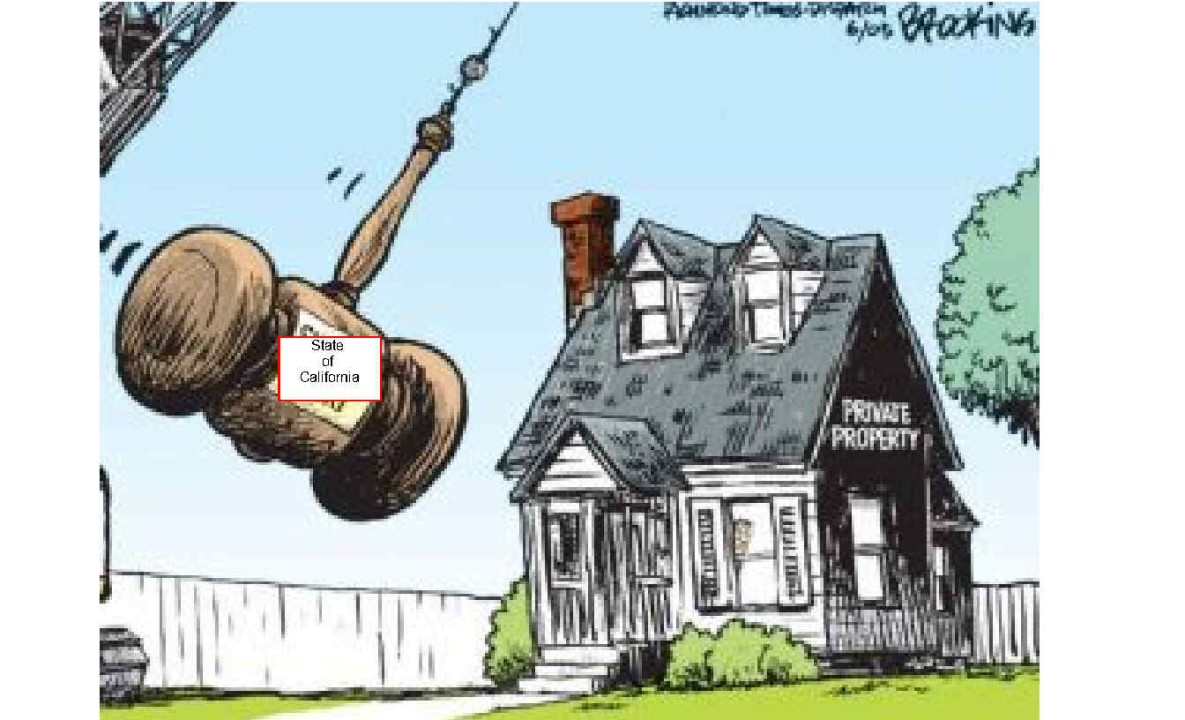
My name is Tony Wood, I was born and raised in California and remain here today. I have been a licensed real estate agent since 1976 and worked in the real estate industry throughout the State. I have an in-depth knowledge of both residential and commercial real estate. I am a specialist in distressed assets, REOs, and lease and loan workouts. I assist tenants, landlords, owners, borrowers, and lenders to work collaboratively and strategically resolve matters as best they can be given the conditions that apply. People in the real estate community, owners, lenders, landlords, are concerned that SB1410, and SB1436, in an effort to do something useful, important, and helpful, to the housing challenges presented by Covid19, may seriously damage them at the same time. Who will want to be a residential landlord or lender when their legal rights have been removed from the equation? To own residential income property without the promise of enforceability of rental agreements and receipt of promised income? Who will want to lease their home, house, apartment, to a tenant knowing that tenant may legally remain in the home without payment of rent for some undetermined period of time? Even if tenants do pay their rent, what if an owner wants to take possession for their own use, or to sell to a buyer who wants to occupy the home? There is no provision for that. The landlord-owner forced into acceptance of a tax credit program, in lieu of rent payments, is now what owners invested in. They didn't sign up for that when they purchased the property as an investment, expecting income the tenant agreed to pay. Additionally, SB 1436 attempts to go further and allow some residential owners not to pay their mortgage payment, forbearance or some kind. However, this still involves owner-landlords involuntarily taking on additional debt. These bills take away a significant portion of the private property rights of the landlords of residential rental properties, and lenders, Nevertheless, even with a loan forbearance agreement, owner-landlords will still have to pay for maintenance, property taxes and other elements of responsibility taken on when the landlord purchased the rental property. These landlords made those purchases as investments, based on the income and laws in place at the time of their purchase. If we are going to change our landlord-tenant laws to completely revoke a landlords' right to terminate the tenancy, regain possession of their property, to sell or lease to a paying tenant, then there is much more work to be done. You can't stop there. SB1410 provides a rent relief program to those who need housing now and gives tenants an amortized risk mitigation arrangement. Unfortunately, it also forces owner-landlords to abide by these new (retroactive) laws taking away the landlord's right to evict a tenant "for any reason". It would be much easier just to provide State issued vouchers to Tenants in need. Yes its taxation of a different type, yes this will add to the State's burden, but it will stop the damage at the tenant level, otherwise it goes up the chain to landlords, lenders, the lender's shareholders, and regulators. Many landlords are small investors, senior citizens and retirees rely on their rental income for their own survival and that of their families. Why is this concern set aside so inconsiderately? If nothing else, please tell someone that these bills should not apply to situations NOT related to failure to pay . For example: If a lease has expired and the tenants have paid on time, as agreed, (or not) if the owner-landlord of the property wishes to sell it, or move in as the landlord’s primary residence, the landlord should be permitted to do so. My reading of SB1410 and SB1436 would not allow the landlord to enforce vacating the property upon sale, thwarting the landlord’s ability to sell their property to a buyer who wishes to occupy the property. There are many other possible violations of a rental agreement besides payment of rent that SB1410 and SB 1436 ignore completely, with the exception of “danger to the public”. With these bills as law, a tenant can violate any aspect of the rental agreement without accountability, consequence or penalty. These bills create new tenant-landlord law, amending laws that have been in place for decades. They literally outlaws ALL unlawful detainer actions with one execution, danger to the public. Please consider modifying the langue to permit unlawful detainer actions in cases unrelated to payment of rent. Excerpt from SB1410: "An owner of real property shall not, during a state of emergency, and (TBD) days thereafter, demand payment of unpaid rent, serve a notice terminating tenancy, file a complaint for unlawful detainer, take action to proceed with a pending unlawful detainer action, commence or prosecute any other action to recover possession of the real property, request that a sheriff execute a writ of possession for the property, or otherwise attempt to evict a tenant in any manner unless the following applies: The notice and any complaint based on that notice allege that the action is necessary to protect public health and safety.” Thank you for your serious consideration of these concerns.  Tony Wood, SIOR, KW Commercial
August 27, 2026
EXECUTIVE ORDERS Executive Order on Fighting the Spread of COVID-19 by Providing Assistance to Renters and Homeowners ECONOMY & JOBS Issued on: August 8, 2020 By the authority vested in me as President by the Constitution and the laws of the United States of America, it is hereby ordered as follows: Section 1. Purpose. The 2019 novel coronavirus (COVID-19) pandemic, which originated in the People’s Republic of China, continues to pose a significant threat to the health of Americans throughout the United States. As we have since January 2020, with the proactive decision to limit travel from China and the passage of three massive economic relief packages, my Administration will take whatever steps are necessary to reduce the spread of COVID-19 and maintain economic prosperity. The Centers for Disease Control and Prevention (CDC) of the Department of Health and Human Services have concluded that “growing and disproportionate unemployment rates for some racial and ethnic minority groups during the COVID-19 pandemic may lead to greater risk of eviction and homelessness or sharing of housing.” This trend is concerning for many reasons, including that homeless shelters have proven to be particularly susceptible to outbreaks of COVID-19. CDC has observed that “[h]omelessness poses multiple challenges that can exacerbate and amplify the spread of COVID-19. Homeless shelters are often crowded, making social distancing difficult. Many persons experiencing homelessness are older or have underlying medical conditions, placing them at higher risk for severe COVID-19–associated illness.” Increased shared housing is also potentially problematic to the extent it results in increased in-person interactions between older, higher-risk individuals and their younger relatives or friends. My Administration has taken bold steps to help renters and homeowners have safe and secure places to call home during the COVID-19 crisis. Prior to passage of the Coronavirus Aid, Relief, and Economic Security Act (CARES Act) (Public Law 116-136), the Secretary of Housing and Urban Development implemented a foreclosure and eviction moratorium for all single-family mortgages insured by the Federal Housing Administration. Furthermore, prior to passage of the CARES Act, the Federal Housing Finance Agency (FHFA) announced that it had instructed the Federal National Mortgage Association and the Federal Home Loan Mortgage Corporation (the Enterprises) to suspend foreclosures for at least 60 days. FHFA has since announced that the Enterprises will extend the foreclosure suspension until at least August 31, 2020. The CARES Act imposed a temporary moratorium on evictions of certain renters subject to certain conditions. That moratorium has now expired, and there is a significant risk that this will set off an abnormally large wave of evictions. With the failure of the Congress to act, my Administration must do all that it can to help vulnerable populations stay in their homes in the midst of this pandemic. Those who are dislocated from their homes may be unable to shelter in place and may have more difficulty maintaining a routine of social distancing. They will have to find alternative living arrangements, which may include a homeless shelter or a crowded family home and may also require traveling to other States. In addition, evictions tend to disproportionately affect minorities, particularly African Americans and Latinos. Unlike the Congress, I cannot sit idly and refuse to assist vulnerable Americans in need. Under my Administration, minorities achieved the lowest unemployment rates on record, and we will not let COVID-19 erase these gains by causing short-term dislocations that could well have long-term consequences. Accordingly, my Administration, to the extent reasonably necessary to prevent the further spread of COVID-19, will take all lawful measures to prevent residential evictions and foreclosures resulting from financial hardships caused by COVID-19. Sec. 2. Policy. It is the policy of the United States to minimize, to the greatest extent possible, residential evictions and foreclosures during the ongoing COVID-19 national emergency. Sec. 3. Response to Public Health Risks of Evictions and Foreclosures. (a) The Secretary of Health and Human Services and the Director of CDC shall consider whether any measures temporarily halting residential evictions of any tenants for failure to pay rent are reasonably necessary to prevent the further spread of COVID-19 from one State or possession into any other State or possession. (b) The Secretary of the Treasury and the Secretary of Housing and Urban Development shall identify any and all available Federal funds to provide temporary financial assistance to renters and homeowners who, as a result of the financial hardships caused by COVID-19, are struggling to meet their monthly rental or mortgage obligations. (c) The Secretary of Housing and Urban Development shall take action, as appropriate and consistent with applicable law, to promote the ability of renters and homeowners to avoid eviction or foreclosure resulting from financial hardships caused by COVID-19. Such action may include encouraging and providing assistance to public housing authorities, affordable housing owners, landlords, and recipients of Federal grant funds in minimizing evictions and foreclosures. (d) In consultation with the Secretary of the Treasury, the Director of FHFA shall review all existing authorities and resources that may be used to prevent evictions and foreclosures for renters and homeowners resulting from hardships caused by COVID-19. Sec. 4. General Provisions. (a) Nothing in this order shall be construed to impair or otherwise affect: (i) the authority granted by law to an executive department or agency, or the head thereof; or (ii) the functions of the Director of the Office of Management and Budget relating to budgetary, administrative, or legislative proposals. (b) This order shall be implemented consistent with applicable law and subject to the availability of appropriations. (c) This order is not intended to, and does not, create any right or benefit, substantive or procedural, enforceable at law or in equity by any party against the United States, its departments, agencies, or entities, its officers, employees, or agents, or any other person. DONALD J. TRUMP THE WHITE HOUSE, August 8, 2020. The White House 
August 27, 2026
Here is something to keep your eyes on. SB1410 would burden landlords with tenants' past due rents accruing through April 2021! Additionally, SB1410 would continue the moratorium on Landlord's eviction rights. This doesn't make sense on so many levels. In the current SB1410 scenario Landlords would remain wholly responsible for their property ownership, property taxes, maintenance, and loan payment obligations. Isn't this a type of taxation on the landlords to force them to provide for the tenants housing needs? SB1410 would limit Landlord's ability to be reimbursed for this taking of their rights and monetary assets to a tax credit beginning in 2024 amortizing their lost rents over ten years. The tax credit doesn't even start for three years. How are landlords expected to pay their loan payments and other property expenses? What if they don't have the capital to take care of their own families and their tenant's housing costs as well? If we are going to take away owners' rights to collect rent and/or get possession of their property back, why don't we go all the way and require lenders to forfeit their rights to collect loan payments or foreclose on the landlords for their failure to pay their loan payments? Maybe we should go further and not require lenders to be responsible to their shareholders or governmental agencies for their obligations. Let's just press a "reset" button on the whole thing. Oh, that's right, until now we have honored a quasi free-market economy, where market supply & demand, rules, laws, and regulations were honored like gravity. This is what we have depended on for the functionality of the entire US economic machine. If we take one away, should we take it all away? Or come up with a fair and just way to modify these important private property rights. Alternatively, allow the landlords and tenants to work things out on their own. Each by its own case by case basis. Provide support and guidance for the process. Permit property owners to retain their rights as owners. Allow tenants to utilize the protections they have on their behalf to navigate the challenging conditions we are all faced with and must manage to resolve. SB1401 is shortsighted and potentially unconstitutional. Do they realize this could result in a wholesale liquidation of rental property ownership, converting rental housing to private ownership? Who wants to own a rental property in California if you can't collect the rent? Or you don't know what the State will do next with your rights as an owner? There are better ways, but they will require a broader view and a commitment to fairness and justice for all. Read "SB-1410 COVID-19 emergency: tenancies" yourself and send your ideas for solutions to the powers that be.
August 27, 2026
Here is a property made to fit today's Covid19 concerns for social distancing without the inconvenience of living on a deserted island. This property includes two homes and three surrounding parcels yet close to all the necessary needs of daily life: World-Class healthcare, shopping and recreation, golf and beaches, that every family desires. Extraordinary Property with Two Homes and Three Parcels Amazing Location minutes from beach, golf, walk to Del Monte Center and Cannery Row! Available for sale to investor, owner-user or developer...call for details! EXECUTIVE SUMMARY Rare opportunity to purchase multi-family multi-parcel property in the Monterey-Carmel marketplace. Located in the Monte Vista neighborhood, on the South Side of Carmel Hill. Offering includes a beautiful four bedroom, three bath home; Featuring open trusses and trellis-framed courtyard entry; The Second House is a large one-bedroom guest house with open beam ceilings, skylights, patios and fireplace. Both the Main House and Guest House are on a ±13,00 SF parcel. Two adjacent parcels also included surrounding the homes with oak and pine trees, see brochure or call for more details. Dramatic entrance via a long driveway! Beautiful setting with mountain views, mature pine and oak trees, and a peak of the Monterey Bay! Walking distance to Del Monte Shopping Center, Downtown Monterey, Fishermans Warf, Cannery Row, marina and beaches. Located in heart of Monterey near Del Monte Shopping Center; Remodel was designed by the renowned architect, George Brook-Kothlow. Monterey offers iconic California experiences, with a little something special for everyone, just waiting to be enjoyed. Experience the top road trip in the United States as you wind along the breathtaking Big Sur coastline on Highway One and 17 Mile Drive. Book an ocean-view hotel on the beach, and then explore the shops and attractions of iconic Cannery Row. Sip handcrafted wines at tucked-away tasting rooms where the winemaker might just be the person pouring. Take a surfing lesson and catch a glimpse of a barefoot beach wedding as you ride your board to shore. Play 18 holes at legendary golf courses, or just hang out at the 19th hole and watch the pros practice. Pack a picnic and watch the sunset on the white sands of the many beaches. Monterey is an unforgettable destination that will invigorate your soul. https://www.loopnet.com/Listing/31-Via-Descanso-Monterey-CA/19171071/ 
By Ben van der Meer May 17, 2022
According to a loan report from Bloomberg, the Roseville Galleria's $275 million loan from June 2012 is set to mature June 1.
May 6, 2022
Find out what areas are developing rapidly to capitalize on growth opportunities for your business. Leverage data around foreclosures, building permits, mortgages, transactional data, and more.